

 Əlaqə
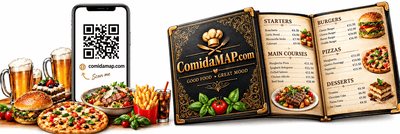
How a Well-Designed Menu Drives Higher Orders and Maximizes Restaurant Revenue
In the restaurant and hospitality industry, a menu is much more than a list of available dishes and prices. It is your most powerful, cost-effective sales representative. Every line, image, layout choice, and price placement influences psychological triggers that guide dining choices.
When strategically designed, a menu does far more than inform—it actively persuades guests to explore premium dishes,add extras, and increase their overall spend. Here is a look at how an optimized menu drives higher order volumes and boosts your bottom line.
1. Directing the Eye with Strategic Layout (The "Menu Matrix")
When guests look at a menu, their eyes do not read like a book; they scan in predictable patterns. Eye-tracking studies reveal that diners naturally look at specific zones first—often the top right corner of a two-page menu or the center of a single-page layout (known as the "sweet spot").
- High-Margin Placement: Positioning your highest-profit items in these prime visual zones ensures they get maximum attention.
- Visual Anchors: Using subtle borders, shaded boxes, or distinctive typography around signature dishes draws the eye directly to the items you want to sell most.
2. Leveraging Menu Psychology and Price Formatting
The way prices are displayed on a menu has a proven psychological impact on how much guests are willing to spend.
- Removing Dollar Signs: Studies from Cornell University show that omitting currency symbols (e.g., listing
18instead of$18) reduces the "pain of paying," encouraging guests to spend more comfortably. - Eliminating Price Columns: When prices are lined up neatly in a column on the right side of the page, guests naturally scan down to find the cheapest options. Embedding prices directly at the end of the dish description keeps the focus on the food rather than the cost.
- The "Decoy Effect": Placing a premium, high-priced item at the top of a section makes surrounding mid-tier items look significantly more affordable by comparison, gently pushing guests toward higher-value orders.
3. Sensory Descriptions That Trigger Appetite
Descriptive words do not just describe food—they shape sensory expectations and justify higher price points. Research indicates that descriptive labeling can boost sales of an item by up to 27%.
- Evocative Adjectives: Terms highlighting texture, preparation methods, and origins—such as "slow-roasted," "hand-crafted," "crispy," "locally sourced," or "pan-seared"—make dishes significantly more appealing.
- Storytelling: Sharing brief details about family recipes or unique ingredients builds emotional connection and perceived value, making guests feel they are purchasing a premium experience rather than just a meal.
4. Driving Upsells with Strategic Pairing Suggestions
A great menu gently prompts guests to add items they might otherwise overlook, increasing the average check size without requiring staff to hard-sell at the table.
- Add-On Prompts: Explicitly offering upgrades (e.g., "Add grilled shrimp for $6" or "Upgrade to truffle fries") makes adding high-margin extras effortless for the guest.
- Drink and Dessert Pairings: Suggesting a specific wine, craft cocktail, or specialty coffee next to a main course or dessert item encourages cross-category purchasing, driving up the total bill.
5. Harnessing the Power of High-Quality Imagery
Visual stimulation is one of the strongest triggers for appetite and spontaneous purchases.
- Targeted Photography: While cluttering a menu with too many photos can cheapen the brand image, featuring high-quality photos of select high-margin items can increase sales of those specific dishes dramatically.
- Digital Advantage: Digital and QR code menus excel here, allowing guests to scroll through vibrant photo galleries, custom pop-up suggestions, and interactive dietary filters that make browsing engaging and tempting.
6. Avoiding Choice Overload
Faced with too many options, customers experience choice paralysis and often default to safe, lower-priced options they already know.
- Curated Selection: Limiting the number of items per section (ideally 7 to 10 items) keeps decision-making simple and enjoyable.
- Clear Categorization: Grouping items logically prevents cognitive fatigue, helping diners make faster, more confident purchasing decisions—which also speeds up table turnover rates.
Final Thoughts: Turning Your Menu into a Revenue Engine
Your menu is the central touchpoint of the entire dining experience. By applying menu engineering principles—strategic layout, psychological price positioning, evocative descriptions, and targeted upsells—you transform a passive list of dishes into a continuous profit generator.
Whether in print or digital format, investing time in optimizing your menu layout is one of the fastest ways to increase average order values and maximize revenue.